City Council approves $8 million in Portland Children’s Levy grants
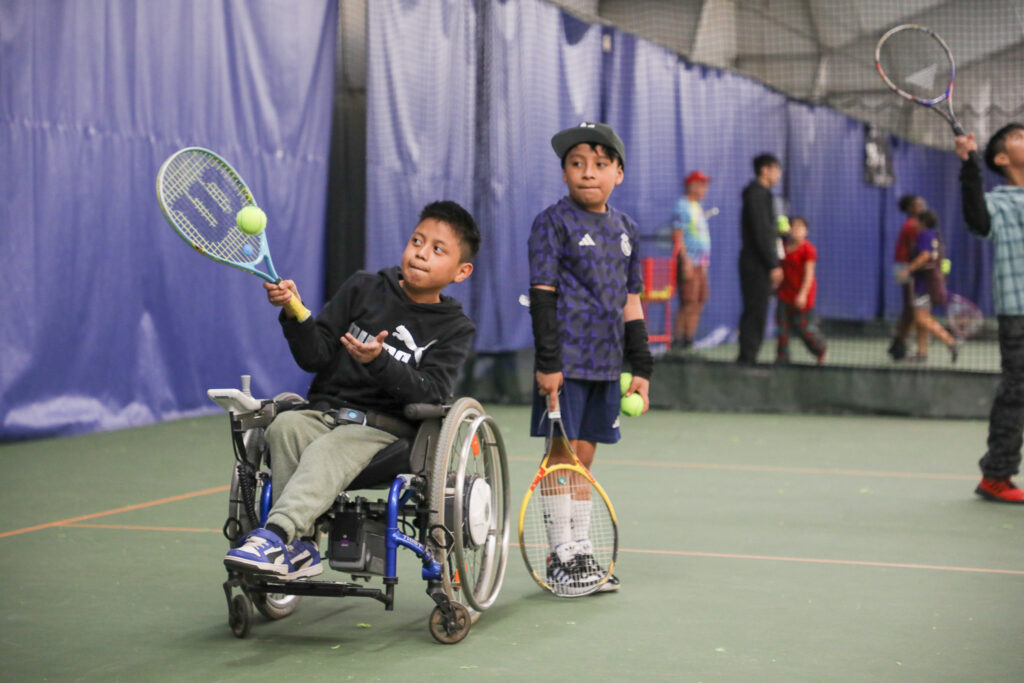
City Council on Wednesday unanimously approved nearly $8 million in grants from the Portland Children’s Levy to support children, youth and families.
The decision includes a set of 12 new small grants totaling $2.6 million to community-based organizations to provide after school academic support, early childhood visits, farm-based education and food, and a variety of mentoring activities. Funding would start July 1, 2026 and run through June 2029.
Another $5.2 million would go toward 94 current large grants that support school-based food pantries, therapeutic services for foster youth, family stabilization services for domestic violence survivors and more.
“The grants will put resources into our community quickly and efficiently, starting July 1,” said Councilor Dan Ryan, chair of the Allocation Committee, the five-member oversight body of PCL. “All grants directly serve children across our city. We all know the need is great, and we wish there was more money.”
The small grants program started in 2020 to improve equity of access for smaller nonprofit organizations that have not received PCL funding in the past. All 12 organizations awarded new small grants in this year’s competitive funding round will receive PCL grants for the first time. The program also aims to provide technical assistance and other services to the organizations to help them grow their capacity.
Each current large grant will receive an 8% increase to the three-year funding amount for use in fiscal years 2027 and 2028. City Council previously approved the large grants in June 2025, with funding starting July 2026 and running through June 2028.
The grant increases will help funded programs address rising costs and allow for cost-of-living adjustments. It would also mitigate the impact of funding reductions last year that resulted in PCL awarding lower grant amounts than requested by large grant applicants.
In addition to money previously designated for small grants, several factors unique to PCL led to an approximate $6.5 million increase in projected resources available for the three fiscal years 2027-29.
The City of Portland economist informed PCL about updated revenue projections – future tax dollars expected to be collected in the coming years – in December 2025. One month later at its January 2026 meeting, the Allocation Committee voted unanimously to allocate additional money to small grants and to increase the funding amount of existing large grants. Doing so would move funds into the community as quickly and efficiently as possible for maximum impact, committee members said. Revenue from the voter-approved Children’s Levy is legally required to be spent on grants that support children and families and cannot be used for other purposes.
2026 small grant recipients
| Organization name | Program area | 3-year grant amount |
|---|---|---|
| Active Children Portland | After school | $240,000 |
| African Refugee Immigrant Organization | Mentoring | $240,000 |
| Center for Black Excellence | After school | $240,000 |
| En Taiko | After school | $120,000 |
| Kindness Farm | Hunger relief | $140,000 |
| People of Color Outdoors | Mentoring | $180,000 |
| Project LEDO | After school | $240,000 |
| Somali Empowerment Circle | Early childhood | $240,000 |
| The Family Room | Foster care | $240,000 |
| We Belong PDX | After school | $210,000 |
| Wonderfolk | Mentoring | $225,000 |
| Word is Bond | Mentoring | $240,000 |
More about the 2026 small grants funding round
The grants approved by City Council are the result of more than three years of community engagement and input on needs and priorities. More than 750 community members and service providers provided input in more than 25 languages.
The process centered community voice. For example, PCL’s Community Council advisory body scored small grant applicant videos and made funding recommendations to the Allocation Committee. The Community Council also helped design the community engagement process and shape the application and scoring criteria.
2026 small grants by the numbers
- 55 small grants applications received, a 71% increase in the number of applications from the previous small grants funding round in 2020
- $4 in requests for every $1 in available funding
- 100% of the 12 new small grant recipients are receiving PCL funds for the first time
- 11 of 12 small grant applications approved for funding are from organizations with majority Black, Indigenous and people of color staff
Current large grants by the numbers
- 71% of the applications approved for funding (67/94) are from organizations with majority Black, Indigenous and people of color staff.
- 42% of the organizations approved for funding (27/64) have not previously received a PCL grant.
- $3 in requests for every $1 in available funding
- 168 applications received in the 2024-25 funding round, a 45% increase compared to the last funding round in 2019-20
About the Portland Children’s Levy
Portland voters approved the first Levy in 2002 and overwhelmingly renewed it four times, most recently in May 2023. PCL works to prepare children for school, support them to be successful inside and outside of classrooms, and eliminate racial and ethnic disparities in children’s outcomes.
Small and large grants are awarded in six program areas: after school, child abuse prevention and intervention, early childhood, foster care, hunger relief and mentoring.
PCL grew out of a need to increase opportunity for all Portland’s children. Historical policies and practices have a direct relationship with disparities in outcomes for children navigating poverty and children of color. The Levy, a City of Portland initiative, strives to change this trajectory by generating about $20-23 million annually through a property tax to provide grants to community-based programs supporting children and families.